
Timecloud Blog
How Small HR Teams Can Manage Employee Records Without Drowning in Admin
Small HR teams manage everything from recruitment and onboarding to payroll support, compliance and reporting. Small HR teams manage everything from recruitment and onboarding to payroll support, compliance and reporting. Employee record management sits behind all of these tasks, but it becomes difficult when information is spread across spreadsheets, inboxes and shared folders. The…
Read More7 Things To Consider Before Choosing A Timesheet App In 2026
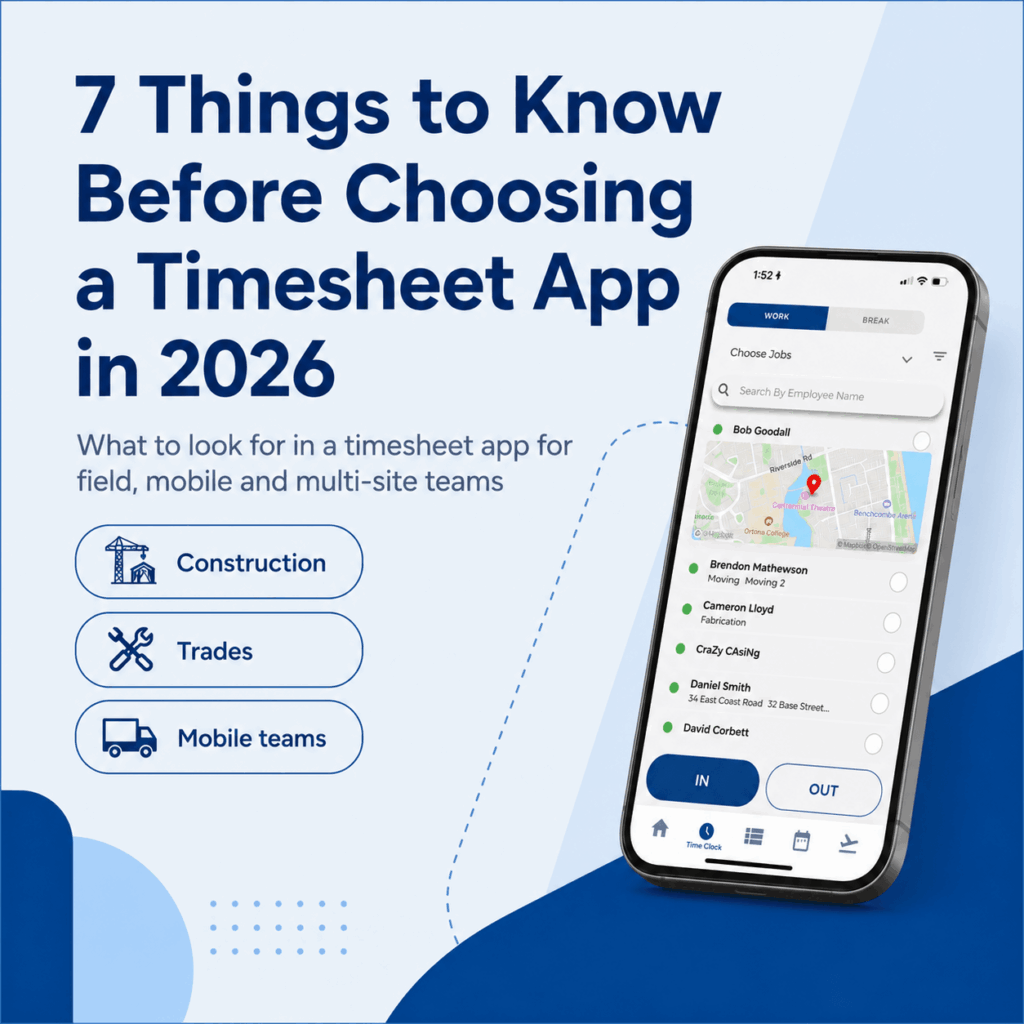
Timesheet App Guide A timesheet app should do more than replace paper forms For field-based and multi-site teams, the right mobile timesheet app can improve payroll accuracy, job costing, attendance visibility and weekly administration. Before choosing a platform, assess how employees will record time, whether GPS and offline clocking are supported, how approved hours will…
Read MoreAI Won’t Fix Workforce Chaos If Your Labour Data Is Broken
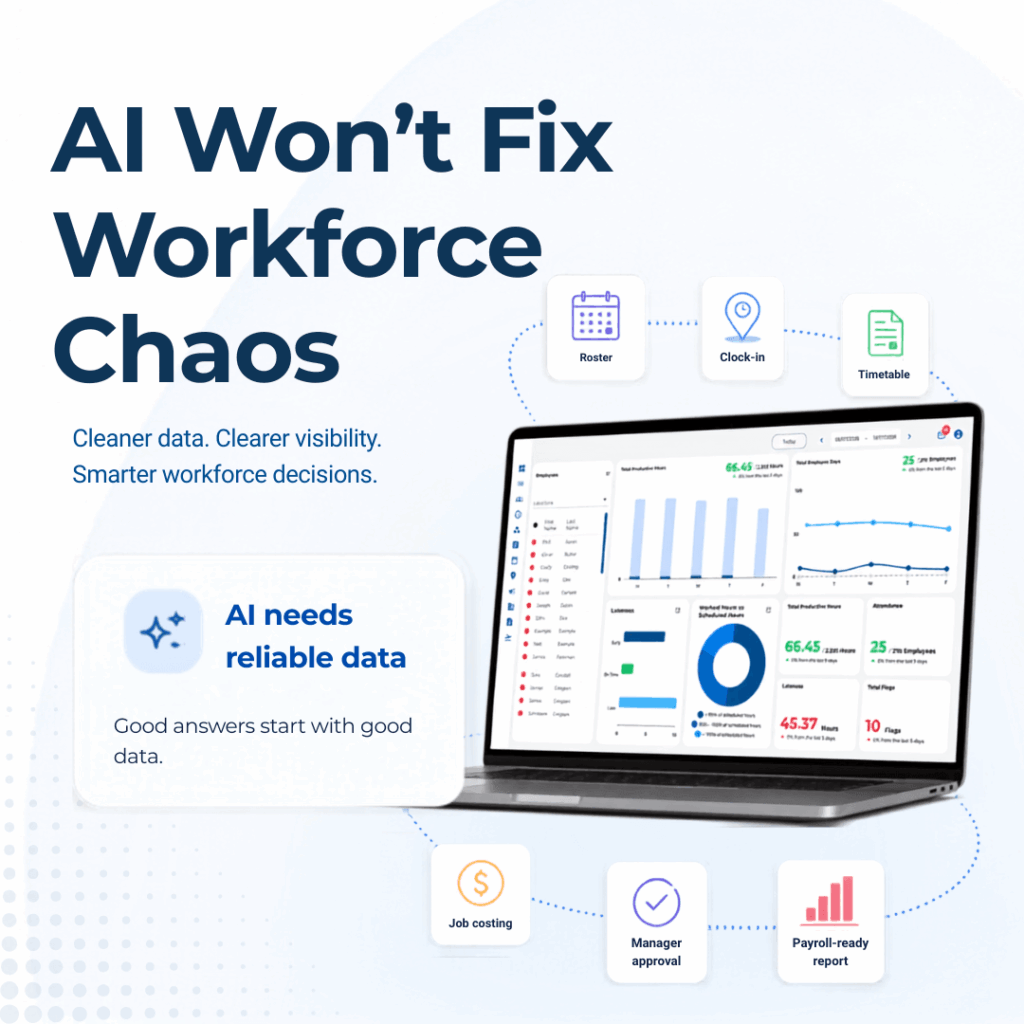
AI Won’t Fix Workforce Chaos If Your Labour Data Is Broken AI is everywhere in business right now. But for employers running shift-based, mobile or multi-site teams, AI is not a shortcut around messy workforce processes. It only works properly when the data behind it is accurate. Why this matters now The Productivity Commission reported…
Read MoreHow to Manage Employee Records in New Zealand
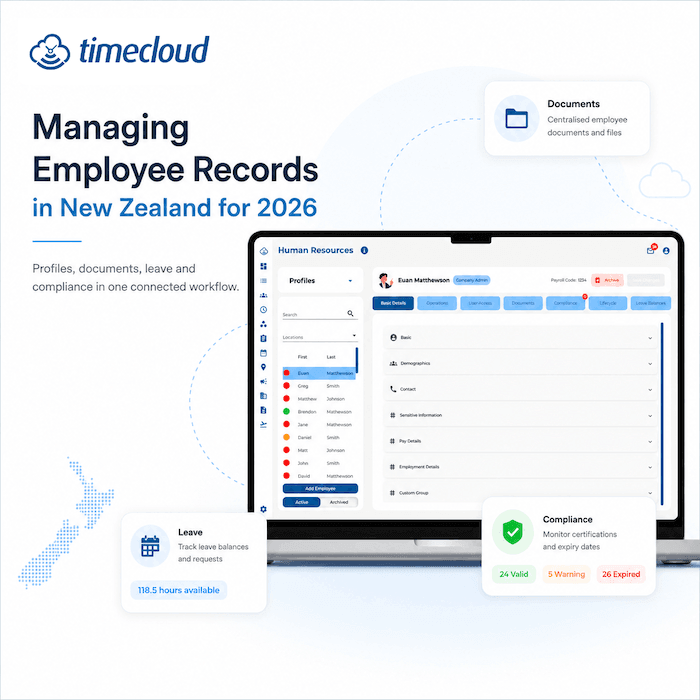
Employee records sit at the centre of good HR management They affect payroll accuracy, leave compliance, workforce administration, privacy, reporting and how confidently managers can make day-to-day people decisions. For New Zealand HR teams, the challenge is not just storing documents. The real issue is keeping employee records accurate, secure and connected to the workflows…
Read MoreManaging Employee Leave Without Spreadsheets
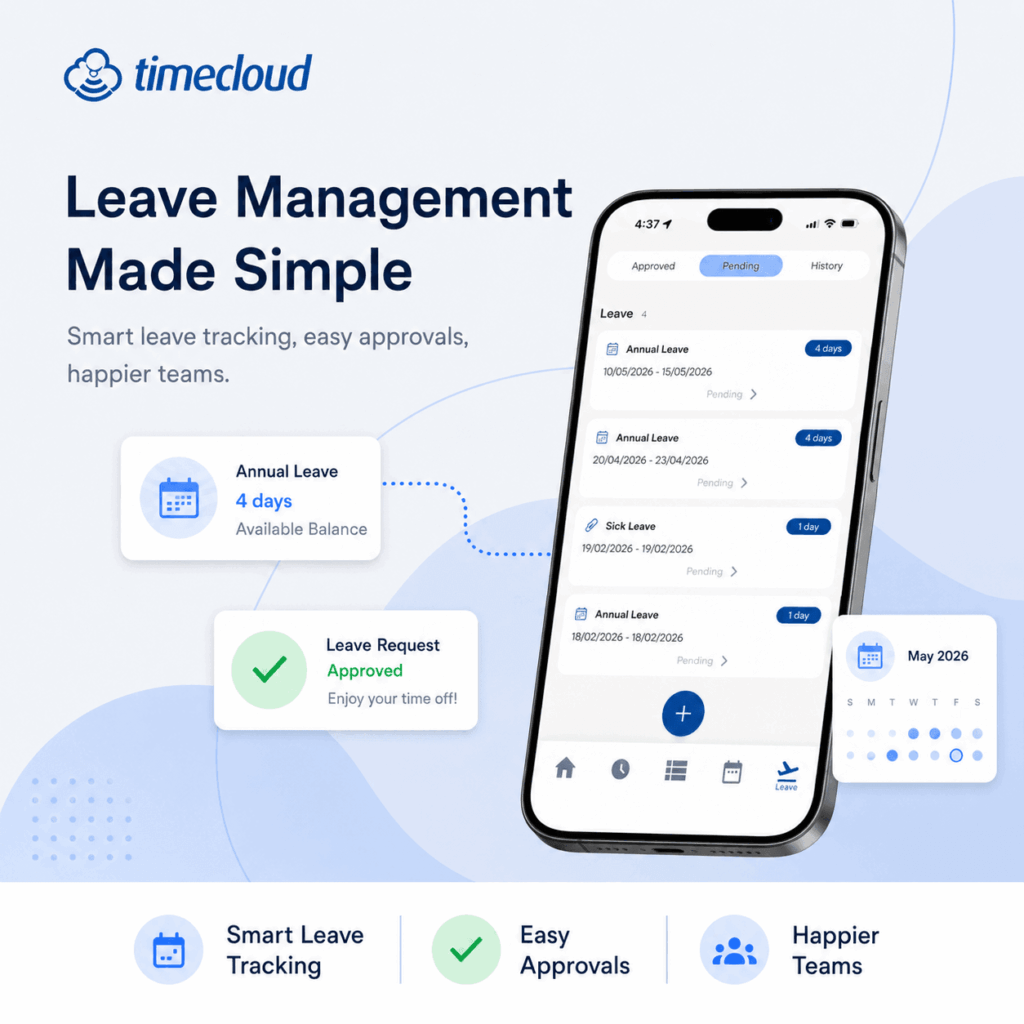
Managing Employee Leave Without Spreadsheets Managing employee leave in spreadsheets might work when you have fewer than five staff. However, it doesn’t work for long once your team grows, shifts change, staff work across locations, or payroll deadlines get tight. Leave management is more than admin For Australian and New Zealand businesses, leave management is…
Read MoreAward Compliance Across Multi-Location Operations: Reduce Payroll Risk and Keep Rules Consistent
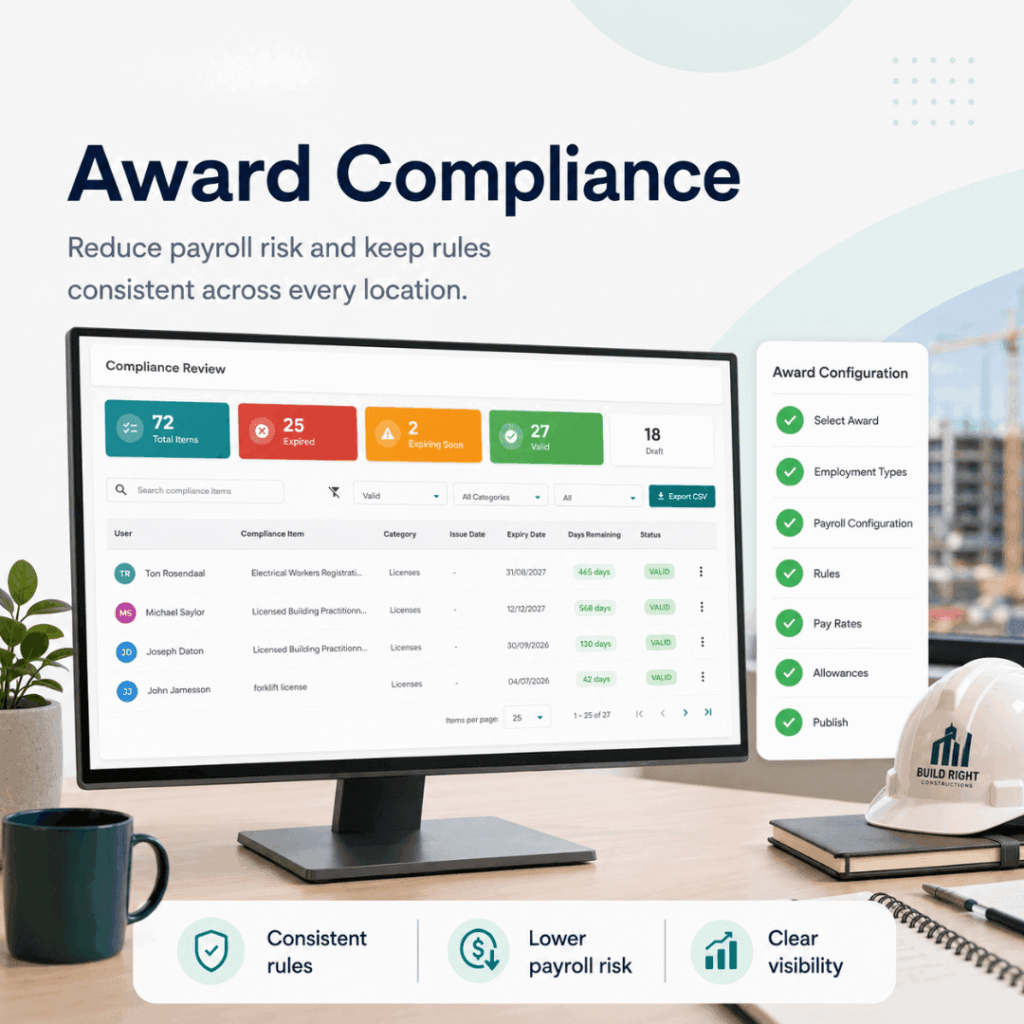
Award compliance gets harder when every site works a little differently. For multi-location businesses, payroll compliance is not just about paying people on time. It is about applying the right rules at the right site, for the right shift, under the right award or agreement. In Australia, awards are legal documents that set minimum pay…
Read MoreDigital Forms and Checklists: Save Time, Reduce Admin and Keep Better Records
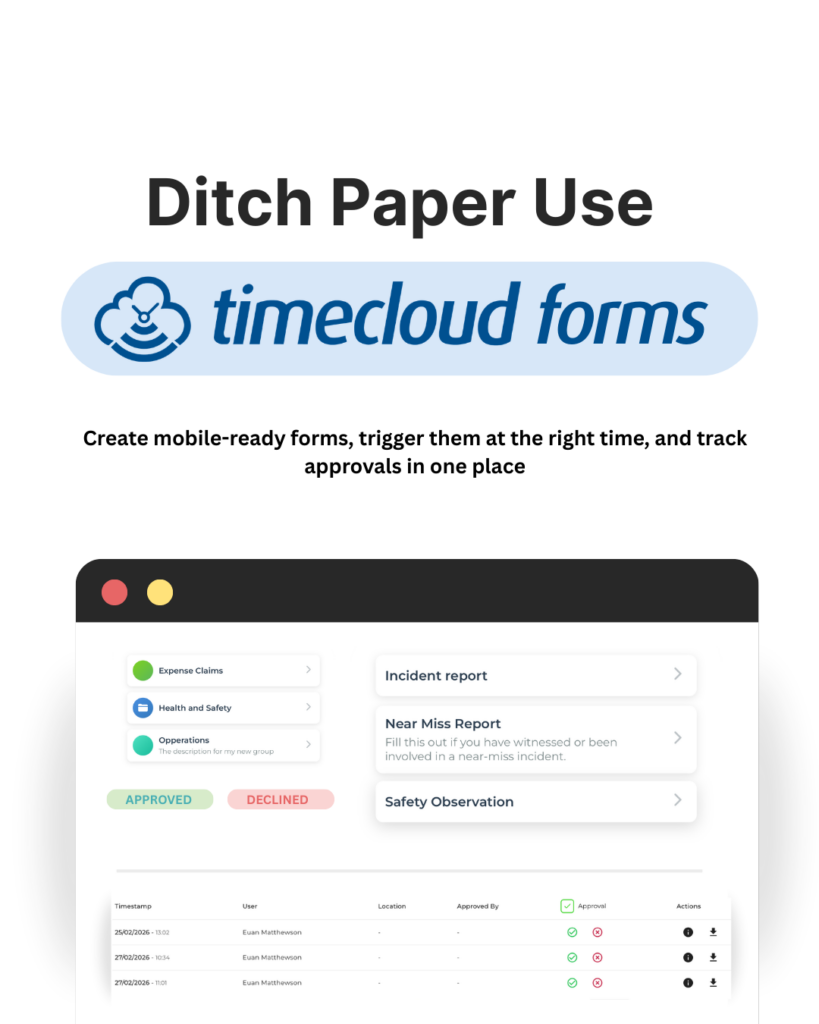
Digital forms do more than replace paper. They save time, reduce admin & keep work moving. Instead of chasing paperwork, re-entering information or wondering whether a check was actually done, businesses can now capture forms on mobile devices, move submissions through quick approvals, have QR-code-accessible forms and audit-ready records in one place. That means less…
Read MoreHow Better Rostering and Time Tracking Protect Health and Aged Care Workers in NZ and Australia
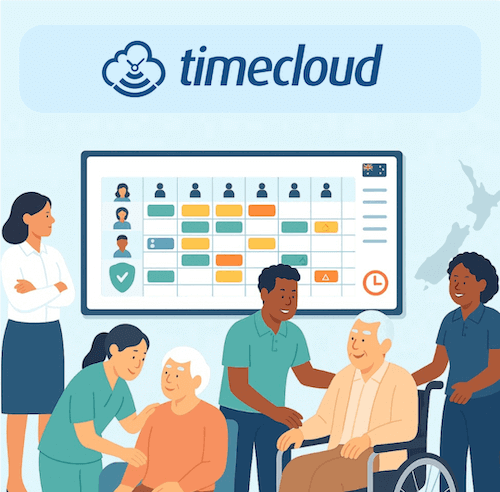
Health and aged care workers are carrying a growing load, and HR is not a back-office function. HR decisions show up directly on the floor as stress, fatigue or relief. Around a quarter of care workers report anxiety, depression or burnout. In Australia and NZ, aged residential care relies heavily on migrant and internationally qualified…
Read MoreMaximise Manufacturing Output and Cut Costs with Smarter Job Tracking
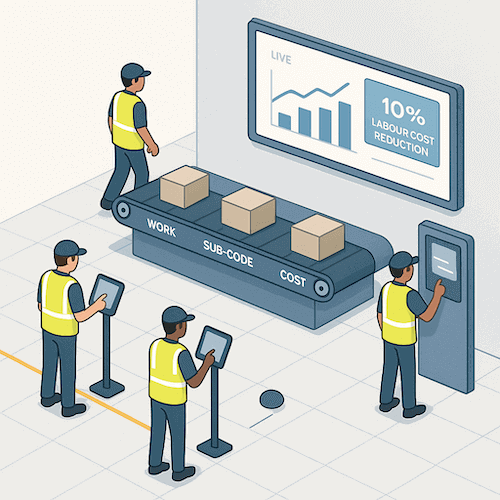
The Challenge of Tracking Labour Across Multiple Jobs in Manufacturing Manufacturing operations are often a juggling act. Between multiple production lines, custom jobs, and varied client demands, tracking labour hours accurately is difficult. Without the right tools, many businesses rely on manual spreadsheets or disjointed timekeeping systems. These methods are prone to error, offer no…
Read MoreHow Time Tracking Keeps Construction Projects On Schedule and Under Budget
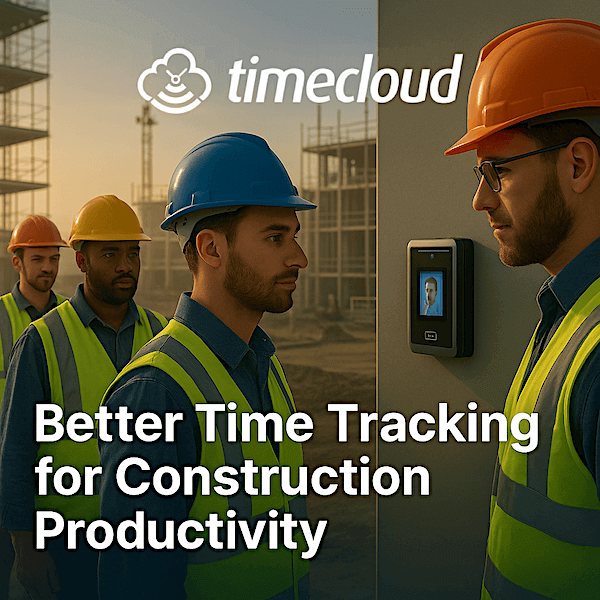
In the construction industry, time is money and poor time tracking bleeds both. Missed deadlines, payroll blowouts, and non-compliance with labour laws aren’t just risks; they’re everyday realities for site managers and business owners. The solution? Construction time tracking software that delivers visibility, accuracy, and control. Common Time-Tracking Challenges on Construction Sites Construction projects face…
Read More